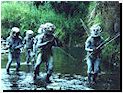
Image created by Adobe Firefly based on a simple single prompt and uploaded profile photo of me.
Image. Image created with Adobe Firefly from a single prompt and a profile photo.
What is changing is not travel itself, but how people imagine destinations before they go. That said, meaningful travel stories still come from real experiences, curiosity, and the unpredictable moments that happen on the road. AI can help illustrate places, cultures, and historical settings, but it should not distort reality or mislead viewers. Used responsibly, these tools can deepen interest in travel while still respecting authenticity, historical accuracy, and the emotions that make exploration memorable.
AI (Artificial Intelligence) is spreading rapidly across the media industry. Today, almost anyone can create videos, images, music, or written content with a few clicks. Some people use it for entertainment, others for education, marketing, storytelling, or creative projects.
The technology improves almost weekly, and millions of people are discovering how easy it has become to produce realistic-looking content. For independent creators, teachers, businesses, and travellers, AI opens up possibilities that were previously out of reach.
There is, however, a growing problem. Much of what appears online can no longer be taken at face value. AI can generate convincing fake videos, cloned voices, and fabricated stories that are difficult to distinguish from genuine footage. AI videos are tricking tourists into visiting places that don't exist. That's just the beginning. You thought that travel influencers were bad?
That makes honesty and transparency more important than ever. Real stories still come from lived experience, emotional connection, and human judgement. AI may be a powerful production tool, but trust is what gives travel content lasting value.
Tools such as Runway Gen-3, OpenAI Sora, and Kling AI allow creators to generate cinematic travel footage from prompts, reference images, and short clips. Instead of spending weeks filming on location, creators can now prototype travel concepts in hours. Maintaining realism, continuity, and ethical transparency, however, remains difficult.
There is also increasing debate about how realistic AI-generated travel content could become deceptive if fictional places or fabricated events are presented as genuine.
At the same time, AI-assisted travel storytelling is developing quickly. Platforms such as Adobe Firefly use text-to-video and image-to-video generation to create atmospheric scenes and animated travel footage from written descriptions or still images. Tools including Runway, Pika, and Luma AI can add cinematic movement, realistic camera motion, and dramatic environmental effects with relatively little manual editing.
This tutorial from Adobe Firefly Video walks through the basics of Generative Video Beta and explains how the platform’s tools work in practice. Colin Smith shows you how to use every tool in this new Adobe AI app.
For travel creators, AI editing software is also changing post-production workflows. Platforms such as CapCut and Pictory can generate captions automatically, identify highlights, summarise long travel vlogs (video blogs), and produce short-form clips tailored for YouTube, TikTok, and Instagram.
AI can also salvage difficult footage. Topaz Video AI uses machine learning to stabilise shaky clips, improve lighting, and upscale low-resolution recordings captured in remote or unpredictable conditions.
The real value of AI travel video lies in inspiration. A single prompt can recreate lost civilisations, visualise historical moments, or bring distant destinations to life before a journey begins. But the stories that stay with people usually come from real encounters, uncertainty, discomfort, and curiosity. This is experiences no algorithm can fully replicate.
Stein Morten Lund, May 2026







 E-mail this
 Print this